Three ways a single crossing takes shape
Most readers arrive with a rough idea and one open question: when to sail, what water to cross, and which cabin to book. The notes below pair a water type with a cabin category and a question worth asking at the desk before you walk up the ramp. Nothing here is a ranking. It is what changes in route choice, what stays fixed in documents and luggage tags, and why the quietness of a small port belongs to the itinerary rather than sitting outside it.
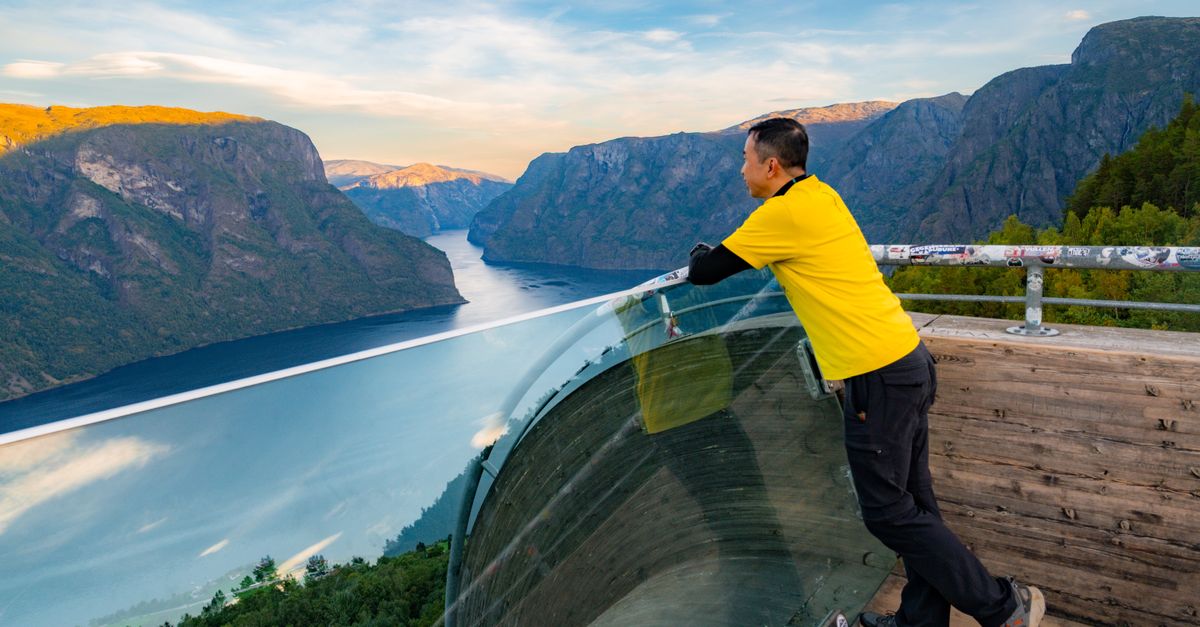
Shoulder-season fjord sailing
Late spring and early autumn shorten the daylight window, so a captain may favour an inner channel over open water and shore time lands earlier in the afternoon. Small ports feel emptier, which suits a documentary pace. Cabin to weigh: a porthole cabin, where you can read the sea state without standing on deck in the wind.
Ask at the desk: how many hours of usable daylight does this route actually hold in this month?
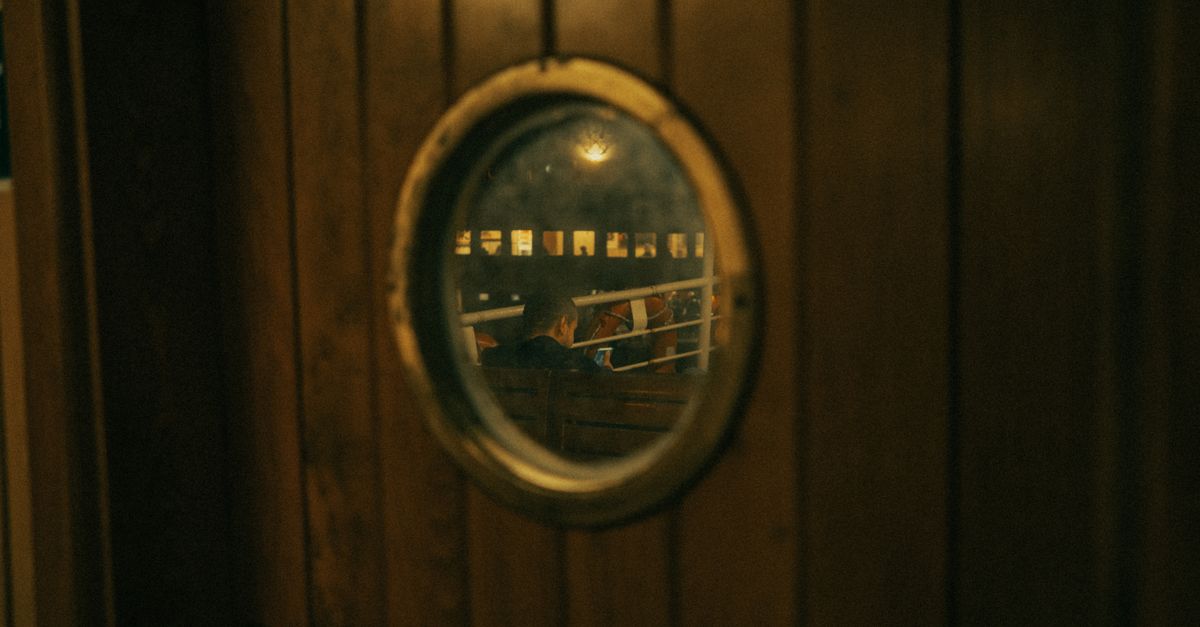
Island crossing with a night ferry leg
An overnight segment followed by a long open-water stretch between ports changes how you sleep and how you pack. Storage matters more than square metres, and an inside berth pushes you up on deck, which is often where you wanted to be on this kind of voyage anyway.
Ask at the desk: where is this cabin relative to the engine room and the anchor chain?
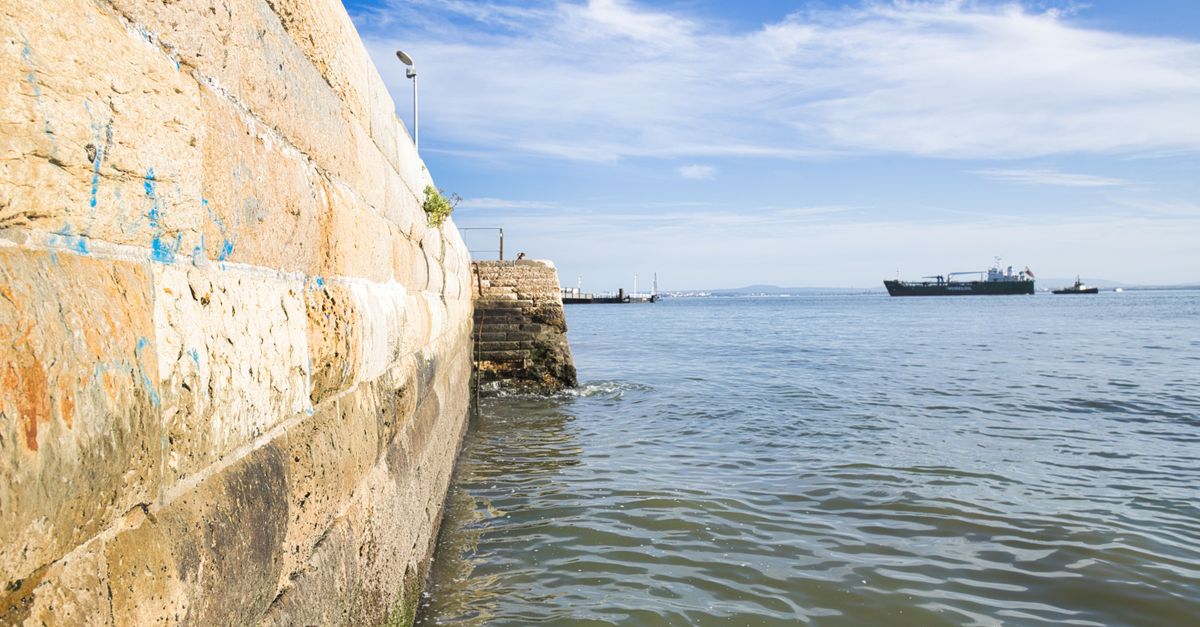
River-mouth route where the approach matters
On a river mouth, the hours before arrival carry the route: shallower water, shifting channels and a slower approach past working quays. A private balcony earns its place here, though you trade spray, noise and cold mornings for the view. Documents and luggage tags stay the same as on any crossing.
Ask at the desk: does this berth sit at the pier or require a tender, and how early should I be there?