Posts

Pick one thread and follow it to the water

The four formats on this page are built to be read on their own. A route note traces a single stretch of water and the decisions it asks of you. A cabin comparison sets an inside berth, a porthole cabin and a cabin with a private balcony against one another without pretending one is a product to sell. A boarding-day checklist gathers documents, luggage tags, hand-carry items and the questions worth asking at the desk before you walk up the ramp. A port-day walk stays on foot between the gangway and the town, describing what you actually pass.

Start with whichever format matches the trip you are planning. If you are still deciding how the desk assesses a route, the approach notes explain the criteria behind each piece.

Next step

Send a route tip from a crossing you have sailed, or ask the desk a question about a specific port day before you commit to a departure.

Send a route tip

Not sure where to begin? Read the approach notes, or return to the front page for the full index of formats.

Reaching the desk about a route note

If a route note raises a question the piece itself does not settle, write to the desk directly. The editors who file the material on this page read those messages themselves, so a note about a specific crossing, a cabin category or a boarding-day detail lands with someone who already knows the route. There is no ticket queue and no automated reply waiting on the other side.

Route tips work the same way. If you have sailed a stretch of water the magazine has not covered yet, or you want to flag something that has changed since a note was published, send it through. Corrections are welcome and are handled the same as any other message.

Ways to get in touch

What belongs in a route tip

The desk reads everything that arrives, but the notes that get filed fastest are the specific ones. A berth number, a tender that ran late, a harbour cafe that opens before the first ferry, a stretch of water where the swell builds without warning. If you have sailed a route we have written about, or one we have not, that kind of detail is what we work from.

Corrections are welcome too. Ports change, schedules shift, and a note that was accurate two seasons ago may no longer hold. Tell us what you saw and roughly when.

Send it through the contact page

Route tips, corrections and questions about a specific crossing all go through the same message form. There is no separate inbox and no automatic reply, so include the route, the season and the ship if you can.

  • Route notes. A stretch of water, a channel choice, a port approach that surprised you.
  • Cabin observations. Storage, motion, noise near the anchor chain, how much daylight a porthole actually gives.
  • Boarding-day detail. What the pier looked like, how long the desk took, what you wished you had carried on.
  • Port-day walks. The on-foot route between the gangway and town, and what you passed along the way.

Editorial desk, Buenos Aires, Alvarado 5 9 B. Email info@onelastcruise.com or call +54 9 11 0921 5504.

How the Clarifications Work

Before a route note, a cabin comparison or a port-day walk goes up, the desk settles the terms that tend to get argued about later. These are the working definitions we hold ourselves to, so a reader knows exactly what a format covers and what it leaves out.

Route notes describe water, not rankings

A route note traces one specific stretch of water and the decisions it asks of a reader. It is not a scorecard of ships or a list of best sailings. Where a note mentions a harbour or a channel, it refers to the conditions observed on that route, not a general verdict about the region.

Cabin comparisons are not product reviews

When we set an inside berth, a porthole cabin and a cabin with a private balcony against one another, we are describing trade-offs in space, light and motion. We do not rank them as products, and we do not treat any category as the correct choice. What suits one crossing may not suit the next.

Checklists are prompts, not guarantees

A boarding-day checklist gathers documents, luggage tags, hand-carry items and questions to ask at the desk before walking up the ramp. It reflects what port agents see go wrong most often. It cannot account for every operator's procedure, so treat each line as a prompt rather than a rule.

Port-day walks stay on foot

A port-day walk describes what a reader actually passes between the gangway and the town. It stays on the ground and on foot, and it does not fold in excursions, transfers or anything that requires leaving the harbour on a schedule. If a walk depends on a specific tide or opening time, we say so.

Each format is written to stand alone, so a reader can follow one thread without needing the others. Where a term is used loosely elsewhere, we try to pin it down here first. If a clarification still leaves you guessing, that is a gap worth flagging to the desk.

Route notes, cabin comparisons and boarding-day guides

Each piece below stands on its own. Read one thread at a time, or follow the whole set before a crossing.

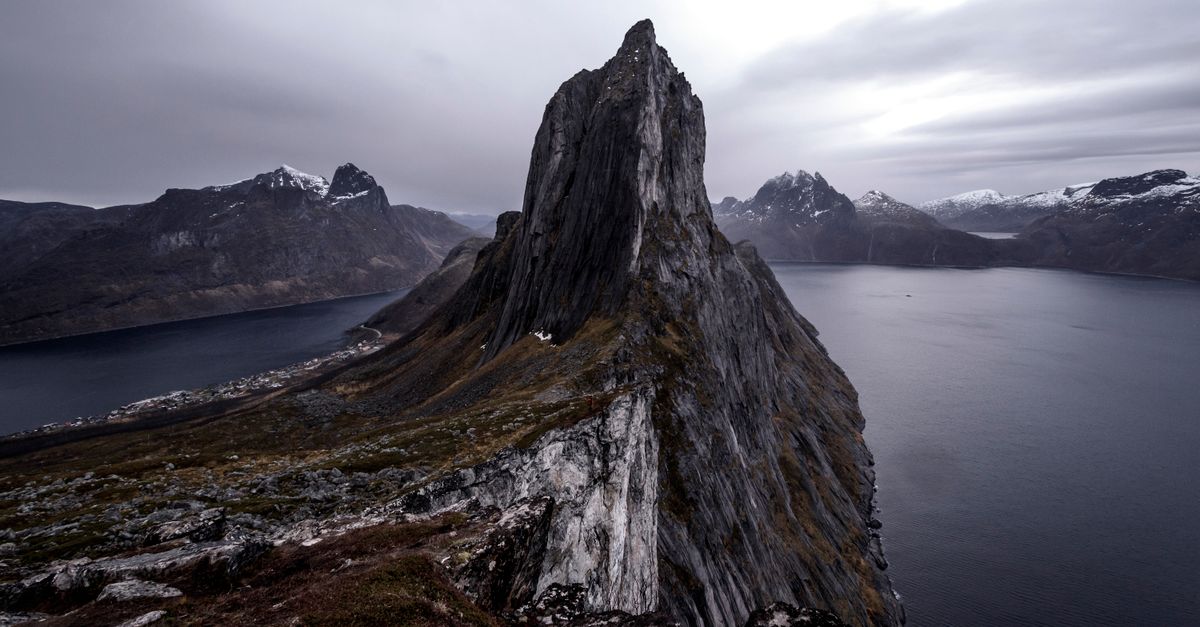
Narrow fjord channel with steep rock walls and calm water under soft daylight

Route note

Fjord Crossings in Shoulder Season: What the Light and the Weather Actually Do

Shoulder-season fjord sailings sit between the bright long days of midsummer and the short, weather-heavy weeks of deep autumn. That gap changes more than the temperature: it shifts how much of a route you can see in daylight, how often a captain chooses an inner channel over open water, and how quiet the small ports feel when you step off the gangway. This note walks through the practical differences a passenger notices on board, from the pace of shore time to the way evening light falls across the deck rails.

Read the route note
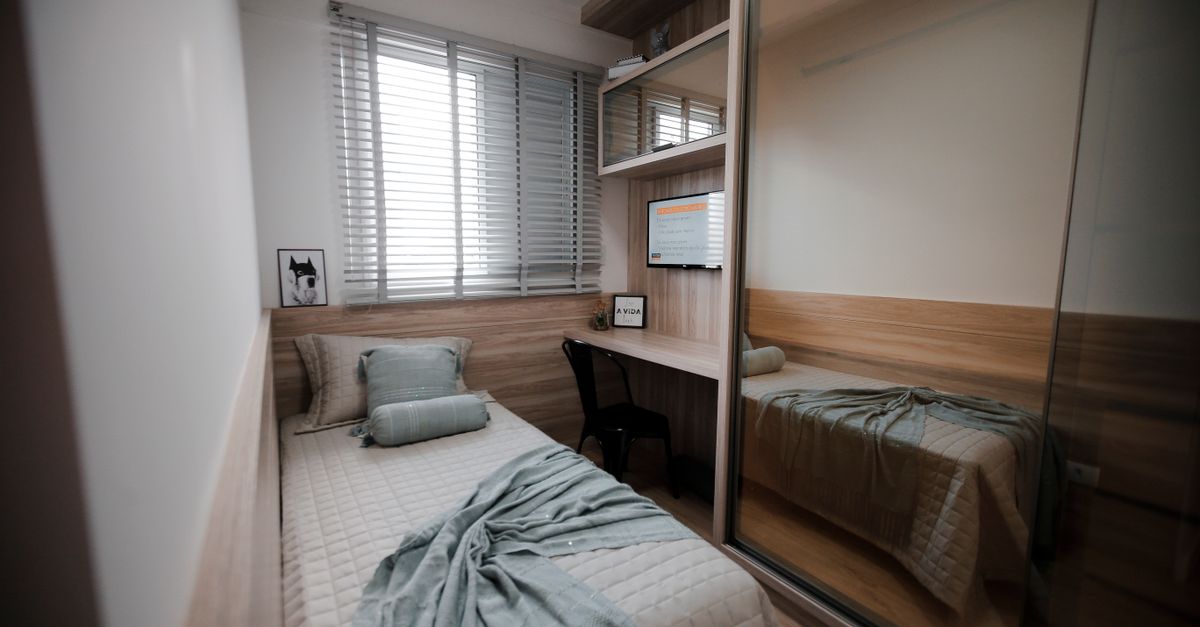
Compact ship cabin interior with a small bed, wood panels and a round porthole

Cabin comparison

Cabin Comparisons on Small Ships: Inside, Outside and the Middle Deck Question

Small-ship cabins rarely follow the neat tiers that large cruise lines advertise, and the differences matter more because there are fewer public spaces to retreat to. An inside berth is the most stripped-back option and pushes you up on deck, which on a documentary-style voyage is often where you wanted to be anyway. A porthole cabin gives you daylight and a sense of the sea state without the wind. A balcony cabin buys private outdoor space but also exposes you to spray, noise and the occasional cold morning.

See the comparison
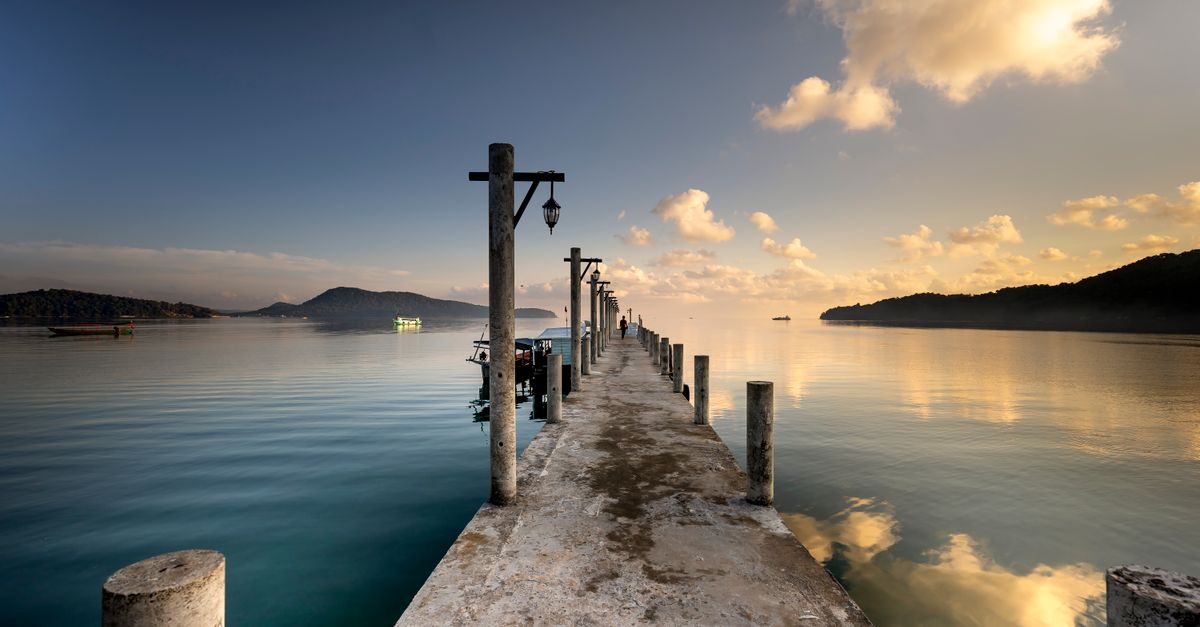
Gangway ramp leading from a stone pier toward a small moored ship

Boarding guide

Boarding Day Checklist: The Hour Before You Step Onto the Gangway

Boarding day on a small ship is quieter than on a large one, but the paperwork and the timing still catch people out. Port agents see the same problems every season: a passport left in a hotel safe, a bag that never got a tag, a taxi that underestimated the distance to a working pier. This checklist covers what to keep in a hand-carry, how early to arrive when the ship is berthed rather than tendered, and which questions to ask at the desk before you walk up the ramp.

Open the checklist

Cookie settings

We use a small first-party preference to remember your cookie-notice choice. You can accept or reject that preference before continuing.