Cabin comparison

Cabin Comparisons on Small Ships: Inside, Outside and the Middle Deck Question

What you trade between an inside berth, a porthole and a cabin with a private balcony.
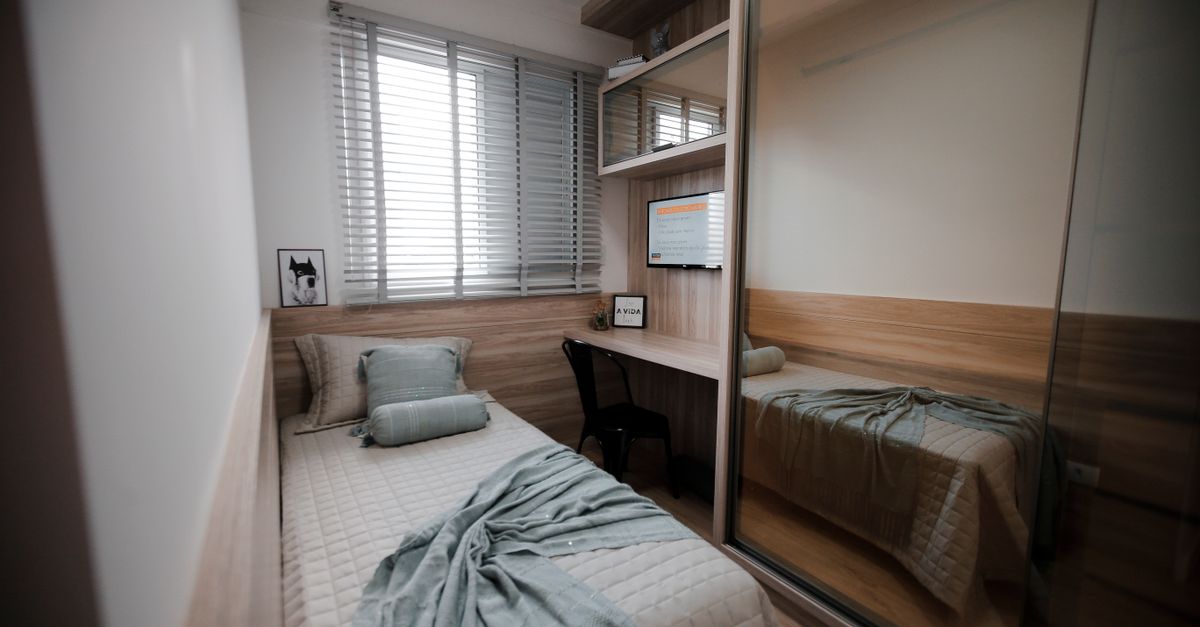
Compact ship cabin interior with a small bed, wood panels and a round porthole

Small ships do not sort their cabins into the tidy tiers you see on a large cruise deck plan. There are usually fewer than a hundred berths, so the categories are narrower and the differences between them show up faster once you are living in one for a week. The three you will meet most often are the inside berth, the porthole cabin and the cabin with a private balcony. Each one changes how you spend your days on board, not just how much you pay.

An inside berth has no window at all. That sounds like a drawback until you notice what it does to your routine: with no daylight to read, you get up and go up. On a documentary-style voyage, the deck is where the route actually happens, so an inside cabin pushes you toward the part of the ship you came for. The trade is storage. Inside cabins on small ships are tight, often with a single wardrobe and a berth you fold away, and you will feel the lack of a place to spread out a wet jacket.

A porthole cabin sits in the middle. You get daylight and a read on the sea state without standing in the wind, which matters on a crossing where the water changes hour by hour. The porthole is small and often high on the wall, so you are not looking out so much as checking in. Motion is usually more noticeable here than deep inside the hull, and on some ships the porthole cabins sit closer to the anchor chain, which you will hear when the ship comes into a river mouth at first light.

A balcony cabin buys private outdoor space, and that is the whole point of it. It also exposes you to spray, funnel noise and cold mornings that an inside berth never delivers. On a small ship the balcony is genuinely small, two chairs and a rail, and it can be too windy to use on open-water days. What it gives you is a place to stand at the rail without sharing it, which some passengers value more than the extra storage they give up to get it.

Where a cabin sits on the deck matters as much as its category. Cabins near the engine room carry a low hum through the night, and cabins forward take more pitch in a head sea. If you are choosing between an inside berth amidships and a balcony aft, the position may decide your comfort more than the window does. Ask which cabins sit above the anchor chain and which ones are under the saloon before you commit.

Filed by the desk

Cabin Comparisons on Small Ships: Inside, Outside and the Middle Deck Question

This cabin comparison was written and edited by the One Last Cruise desk in Buenos Aires, an independent editorial team made up of former deck crew, port agents and travel editors. The magazine covers small-ship itineraries, shoulder-season departures, fjord and island crossings, river mouths, night ferries and the long open-water stretches between ports. Regular formats include route notes, cabin comparisons, boarding-day checklists and port-day walks.

The desk works without sponsored rankings and without padded lists. A Spanish-language edition is produced alongside the English original. If you have sailed a route worth noting, or want the monthly dispatch before your next crossing, the desk reads every message that arrives.

Reach the desk

Cabin Comparisons on Small Ships: Inside, Outside and the Middle Deck Question

Cabin categories on small ships are rarely settled by a single brochure line. If a specific berth on a specific route matters to your decision, the desk reads those notes directly. There is no ticket queue and no account to open: you write, and someone on the editorial side picks it up.

Email the desk

Route tips, corrections and cabin questions go to the same inbox. Attach nothing large; a short note with the ship name and the itinerary is enough to start.

info@onelastcruise.com

Call during Buenos Aires hours

The desk phone is answered from the editorial office. Useful for a quick check on whether a cabin note already exists for your ship before you write a longer message.

+54 9 11 0921 5504

Post

Letters and printed route notes reach the editorial address below. This is a correspondence address, not a walk-in counter.

Buenos Aires, Alvarado 5 9 B

One thing worth saying plainly: the desk does not book cabins, hold berths or act as an agent for any ship. What it can do is tell you what the inside, porthole and balcony categories tend to feel like on the vessels it has actually sailed, and point you to the route notes already filed.

Cabin Comparisons on Small Ships: Inside, Outside and the Middle Deck Question

A side-by-side look at the cabin categories most small ships actually offer, and how each one changes comfort.

Compact ship cabin interior with a small bed, wood panels and a round porthole
A porthole cabin: daylight and a read on the sea state, without the wind.

Inside berth

No daylight, no view, and the lowest category on the deck plan. On a documentary-style voyage that pushes you up to the saloon or the rail, which is often where you wanted to sit anyway. Storage is tight and the berth usually sits low, so motion is felt less than higher up.

Porthole cabin

A round window gives you the light and a sense of the swell before you dress. You still sleep low in the hull, close to the anchor chain on some ships, so early arrivals in port can be heard rather than seen.

Balcony cabin

Private outdoor space, but also spray, wind noise and cold mornings on an open crossing. On the middle deck the balcony sits above the engine room on some layouts, so you trade quiet for the view. Worth it if you plan to write, read or eat outside; less so if you spend the day on deck regardless.

The middle deck question

Mid-ship cabins pitch less than forward ones, but they sit closer to the public rooms and the galley. Ask where the anchor chain runs and where the engine casing sits before you pick a number. On a small ship, one deck up or two cabins aft can change the whole week.

Cabin Comparisons on Small Ships: Inside, Outside and the Middle Deck Question

Cabin categories on small ships are not a clean ladder. Two vessels of similar size may label the same berth differently, and a "middle deck" cabin on one ship can sit directly above the engine room on another. What follows is a set of trade-offs to weigh before you choose, not a ranking of ships or a promise about any particular vessel.

Inside berth

No daylight and no view, which pushes you up to the saloon or the deck rail for most of the day. Storage is usually the tightest of the three, and the berth often sits low and near the machinery. On a documentary-style crossing that is rarely a loss: the hours you would have spent in the cabin are the hours you wanted on deck anyway.

Porthole cabin

You get daylight and a read on the sea state without standing in the wind. A round porthole frames a narrow slice of water, so you notice swell and passing coastline earlier than an inside berth allows. The trade is position: porthole cabins often sit on a lower or forward deck, where motion is felt more and the anchor chain is closer than you might expect.

Balcony cabin

Private outdoor space, and the only category where you can sit outside without sharing the deck. It also puts you in the spray, the wind noise and the cold morning air, and a balcony door left open changes the temperature and humidity of the whole cabin. On exposed crossings the balcony may be unusable for hours at a time.

The middle deck question

Midship and mid-height is generally the calmest place to sleep, which matters more on a small hull than on a large one. That same position is often where the ship puts its better cabins, so the quietest berth and the most expensive one tend to overlap. If motion is your main concern, ask where the cabin sits relative to the engine room, the anchor chain and the tender stowage before you commit.

Terms used here

  • Inside berth means a cabin with no exterior window or porthole.
  • Porthole cabin means a fixed round or rectangular opening that lets in light but does not open.
  • Balcony cabin means a cabin with a private, enclosed outdoor space accessed by a door.
  • Middle deck is a working description, not a category: it refers to cabins placed amidships and away from the lowest and highest decks.

Category names, deck plans and what counts as a balcony vary between operators and are set by the ship, not by this magazine. Treat the notes above as a way to ask better questions at the booking stage, and confirm the actual position of any cabin against the vessel's own plan.

Cookie settings

We use a small first-party preference to remember your cookie-notice choice. You can accept or reject that preference before continuing.