Route note

Fjord Crossings in Shoulder Season: What the Light and the Weather Actually Do

Why late spring and early autumn sailings change the whole shape of a Norwegian route

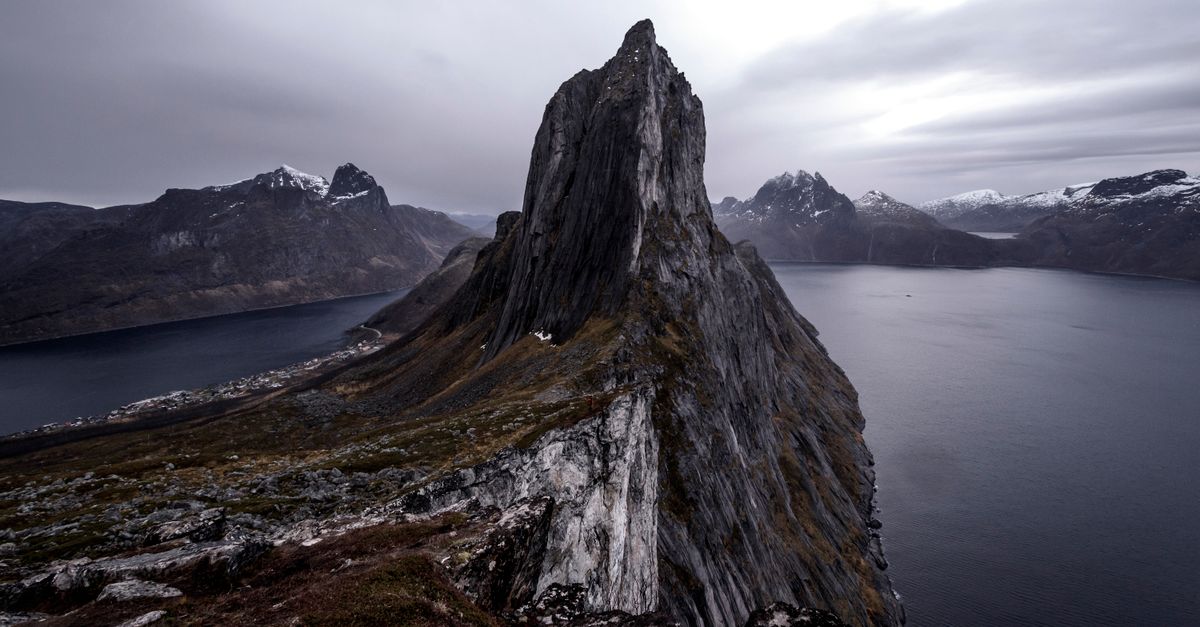
Narrow fjord channel with steep rock walls and calm water under soft daylight

Shoulder-season fjord sailings sit in the gap between the bright long days of midsummer and the short, weather-heavy weeks of deep autumn. That gap changes more than the temperature. It shifts how much of a route you can actually see in daylight, how often the captain chooses an inner channel over open water, and how quiet the small ports feel once you step off the gangway.

On a May crossing the light stays with you well into the evening, so a late departure from one pier still gives you a full view of the next stretch of water. By September the same schedule runs differently: the crew reads the forecast earlier, and some legs that looked straightforward on the brochure map end up covered in low light or after dusk. The route is the same on paper. The experience is not.

What passengers notice first is the deck rail. It becomes the main vantage point for the whole voyage, not just a place to stand between meals. Cold air, long shadows across the water, and the slow approach to each pier. Shore time also compresses, so a port that felt generous in June asks you to decide quickly in October. The crew adjust the plan around light and shelter, and the honest version of a shoulder-season route is the one that admits this rather than pretending the calendar does not matter.
Filed by the desk

Fjord Crossings in Shoulder Season: What the Light and the Weather Actually Do

The shoulder-season fjord piece was written and edited in-house by the same small team that files every other route note on the site. One Last Cruise is an independent editorial magazine, run from Buenos Aires by former deck crew, port agents and travel editors. Nobody on the desk sells berths, and no shipping line influenced the observations in this article.

What you read here is a field note, not a brochure. The daylight hours, the captain's choice between an inner channel and open water, the quiet of a small harbour in late spring, the cold air at the deck rail after dusk: those details come from the crossing itself, written up the way the desk writes up any sailing it covers. A Spanish-language edition is prepared alongside the English original, so the same note reaches a second audience without the tone shifting.

The magazine runs no sponsored rankings and no padded lists of stops. If a route reads differently in May than it does in September, the note says so plainly, and leaves the decision about which month suits you to the reader.

Fjord Crossings in Shoulder Season: What the Light and the Weather Actually Do

This piece came out of one shoulder-season sailing along a Norwegian fjord, and the questions it raises tend to arrive in the same shape: how much of a channel you actually see in low light, whether a captain will take the inner passage when the forecast turns, and what a small port feels like when yours is the only ship at the pier. If you have sailed a similar stretch in May or September and want to add what you saw, the desk reads every note. We do not run a ticketing system, an account area or a file upload, and we cannot promise a reply window. What we can do is read carefully and fold useful corrections into the next dispatch.

Route tips are the most useful thing you can send. A specific detail helps more than a general impression: the name of the channel, the hour the light went flat, whether the ship berthed or tendered, how the crew read the weather before committing to open water. Photographs of a pier or a deck rail are welcome when they show something a reader would recognise on their own crossing. Send it to the address below, or write through the contact page if you would rather keep the thread in one place.

Fjord Crossings in Shoulder Season: What the Light and the Weather Actually Do

On a shoulder-season crossing the light does most of the work of the route. In late spring the water still carries the cold of winter, and the low sun sits long across the channel walls, so a stretch that reads as flat grey on a midsummer afternoon becomes a slow study of shadow and rock. By early autumn the same water turns darker earlier, and the captain starts weighing inner channels against open water before the afternoon is half gone. The frames below follow one sailing from boarding to final berth, with the light and the weather doing most of the talking.

Narrow fjord channel with steep rock walls and calm water under soft daylight
The inner channel on a late-May morning. Daylight stretches the approach, so the ship holds a slower speed and the rock walls stay visible for hours instead of sliding past in a grey band.
Narrow fjord channel with steep rock walls and calm water under soft daylight
A shoulder-season pier in a small harbour. Fewer vessels are docked, so the walk from the gangway to the quay edge is quiet, and shore time runs at the pace of the town rather than the schedule.

Evening light on the rails

By mid-September the sun drops behind the ridge earlier than the brochure map suggests. The deck rail becomes the main vantage point for the last hour of the crossing, and the crew often reads the weather from the colour of the water rather than the forecast alone. Cold air, long shadows, and a slow approach to the next pier.

Route choices the light forces

When daylight shortens, the captain weighs an inner channel against open water more often. The inner route is sheltered and slower; the open stretch is faster but darker. Passengers notice the difference in what they actually see, not in the timetable, which is why two crossings that look identical on paper read very differently in May and in September.

Fjord Crossings in Shoulder Season: What the Light and the Weather Actually Do

A few terms get used loosely when people talk about shoulder-season fjord crossings. Here is how we use them on this page, and where the limits of the reporting sit.

Shoulder season, as used here

Late spring and early autumn on a Norwegian route. Not midsummer, when daylight runs almost around the clock, and not deep autumn, when short days and heavy weather dominate the schedule. The observations below belong to that middle band only.

Route choices are the captain's call

When we describe a sailing taking an inner channel instead of open water, that is a decision made on the day by the crew reading weather and light. It is not a fixed itinerary feature, and it should not be read as a guarantee for any specific departure.

One sailing, not a survey

This is a route note from a single shoulder-season crossing, written from the deck rail. Daylight hours, port quietness and evening light vary by latitude, by week and by weather system. Treat what follows as a field observation, not a seasonal average.

No ranking, no sponsored placement

Nothing on this page ranks ships, operators or ports, and no operator influenced a mention. Where a port is described as quiet, that reflects what was seen on the day, not a rating of the harbour or the town.

Light is described, not promised

Phrases about long shadows on the water or low light after dusk describe conditions on this crossing. They are not a forecast. A sailing the following week can look entirely different, and that variability is part of what the note is about.

Shore time is not a fixed quantity

When we mention the pace of time ashore, we mean how it felt on board during this sailing. Actual hours in port depend on berth availability, tendering, weather and the schedule the crew sets that morning.

If a detail here reads as a general rule rather than a note from one crossing, take it as the latter. Route tips and corrections from readers are welcome at info@onelastcruise.com.

Cookie settings

We use a small first-party preference to remember your cookie-notice choice. You can accept or reject that preference before continuing.